
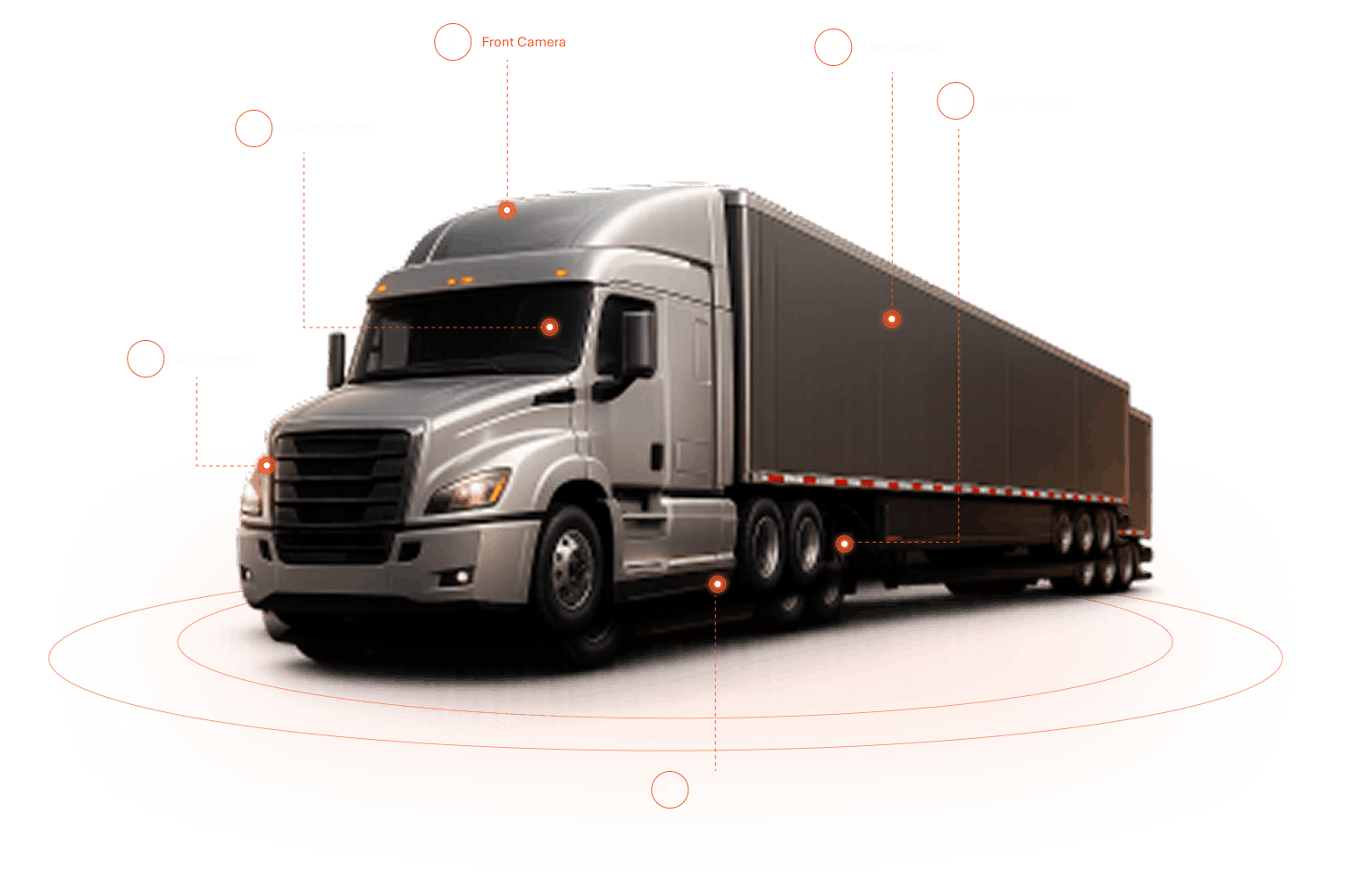
Road, hazards and collision evidence. Capture everything on the road ahead in real-time.
Road evidence
Clear video proof of road incidents, traffic conditions and driving events.
Hazards evidence
Reliable footage of hazards, road conditions and unexpected situations.
Collision evidence
Automatic recording of critical events, impacts and collisions.
Occupants, passengers and cabin activity. Keep visibility inside the vehicle when it matters most.
Passenger visibility
Monitor passenger activity and incidents inside the vehicle.
Cabin evidence
Capture clear footage of events, disputes and safety concerns.
Occupant protection
Support safer transport with greater visibility inside the cabin.
Fatigue, distraction and driver behaviour. Understand driver behaviour and identify risks before they escalate.
Fatigue detection
Identify signs of driver fatigue and reduced alertness.
Distraction monitoring
Detect behaviours that may take the driver's attention away from the road.
Driver coaching
Use objective video evidence to support safer driving conversations.
Vehicle sides, adjacent lanes and kerbs. See beyond the front view and improve awareness around the vehicle.
Side visibility
Monitor adjacent lanes and areas alongside the vehicle.
Kerb awareness
Capture side clearance when navigating tight roads and spaces.
Incident evidence
Provide additional visual context for side-impact incidents and disputes.
Vulnerable road users and manoeuvring. Make hard-to-see areas around the vehicle more visible.
Blind spot visibility
See areas that may be hidden from the driver's direct view.
Vulnerable road users
Improve visibility of pedestrians, cyclists and other vehicles.
Safer manoeuvring
Support safer lane changes, turning and low-speed manoeuvres.
Freight, equipment and load security. Keep a clear view of what you're carrying from pickup to delivery.
Load visibility
Monitor cargo, equipment and freight inside or around the vehicle.
Load security
Capture evidence of movement, tampering or potential load issues.
Delivery evidence
Provide visual proof of cargo condition and handling throughout the journey.
Rear approach and reversing visibility. See what's behind the vehicle when moving forward isn't enough.
Rear visibility
Monitor vehicles, pedestrians and obstacles approaching from behind.
Reversing safety
Improve visibility when reversing into tight spaces, yards and loading areas.
Rear incident evidence
Capture footage of rear impacts, reversing incidents and close calls.

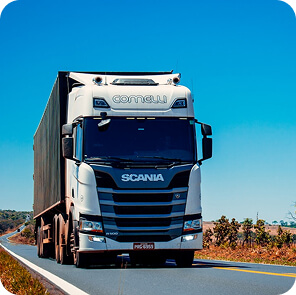
Transport & Logistics
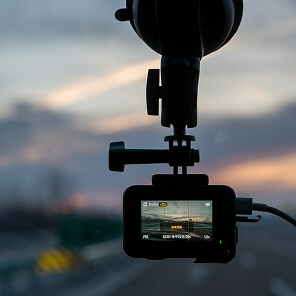
Single Cam
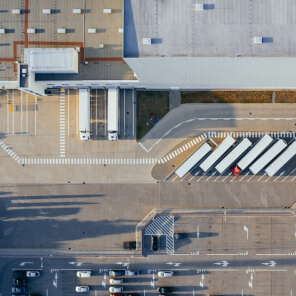
Passenger Visibility
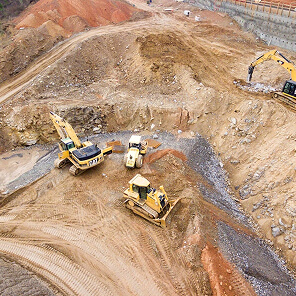
MDVR
FleetView is a practical video telematics solution — not a generic dashcam product.
Every FleetView deployment is designed around what the operator actually needs to see and why. That means configuring the right cameras, in the right positions, with the right storage, access and support — from day one.
- Driver safety and behaviour monitoring
- Passenger safety and on-board incident review
- Claims evidence and dispute resolution
- Load monitoring and proof of delivery
- Blind spot visibility and manoeuvring assistance
- Vehicle protection and compliance workflows
How operators deploy FleetView across different vehicles and use cases.
Each example is a real configuration pattern — not a theoretical product tier.
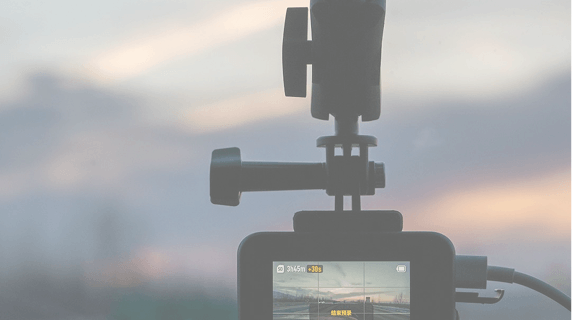 01
01
Front-facing camera for road evidence.
A single road-facing camera captures every journey from the driver's perspective — providing timestamped footage for incident review, third-party disputes and insurer submissions.
- Light commercial
- Courier
- Council
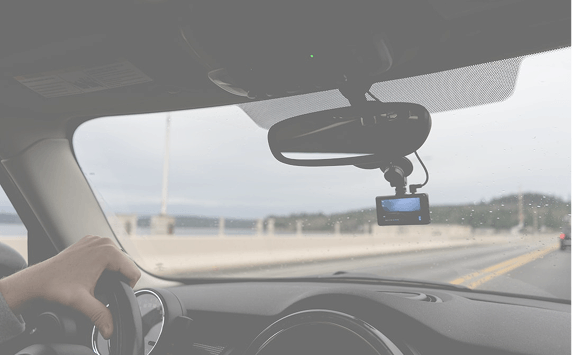 02
02
Front and driver-facing cameras for safety and review.
The most common dual-camera configuration. Road-facing footage provides incident context while the driver-facing camera supports behaviour coaching, fatigue awareness and duty-of-care evidence.
- Transport & logistics
- Field services
- Government
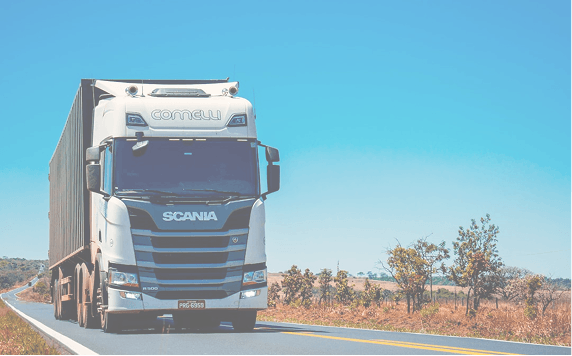 03
03
Side and rear cameras for blind spot and reversing.
Side-mounted and rear cameras extend visibility beyond what mirrors provide — supporting safer lane changes, turns, reversing and low-speed operations in busy or confined environments.
- Buses
- Rigid trucks
- Waste collection
 04
04
Passenger cabin cameras for bus and transport.
Internal cabin cameras provide operators with visibility of passenger behaviour, on-board incidents and boarding events. Supports complaint resolution and duty-of-care obligations.
- Buses & coaches
- School transport
- Disability transport
05
Load cameras for proof of delivery and asset monitoring.
Rear-load bay or cargo-area cameras capture the condition and state of freight at departure and delivery — protecting operators from false damage claims and delivery disputes.
- Freight
- Refrigerated transport
- Waste services
 06
06
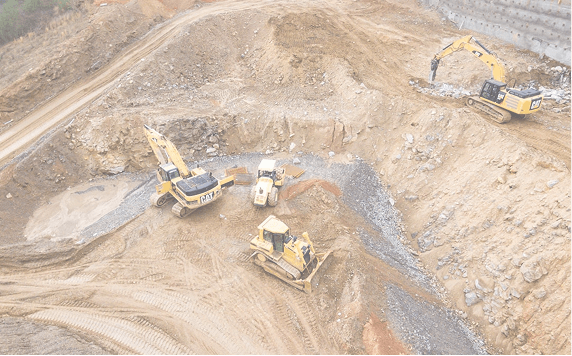
Multi-camera MDVR for heavy vehicles and specialist assets.
16 to 24 camera systems for rail, heavy plant, emergency vehicles and specialist assets. Full 360° visibility, multi-zone interior monitoring and complex event reconstruction support.
- Rail
- Mining plant
- Emergency apparatus