
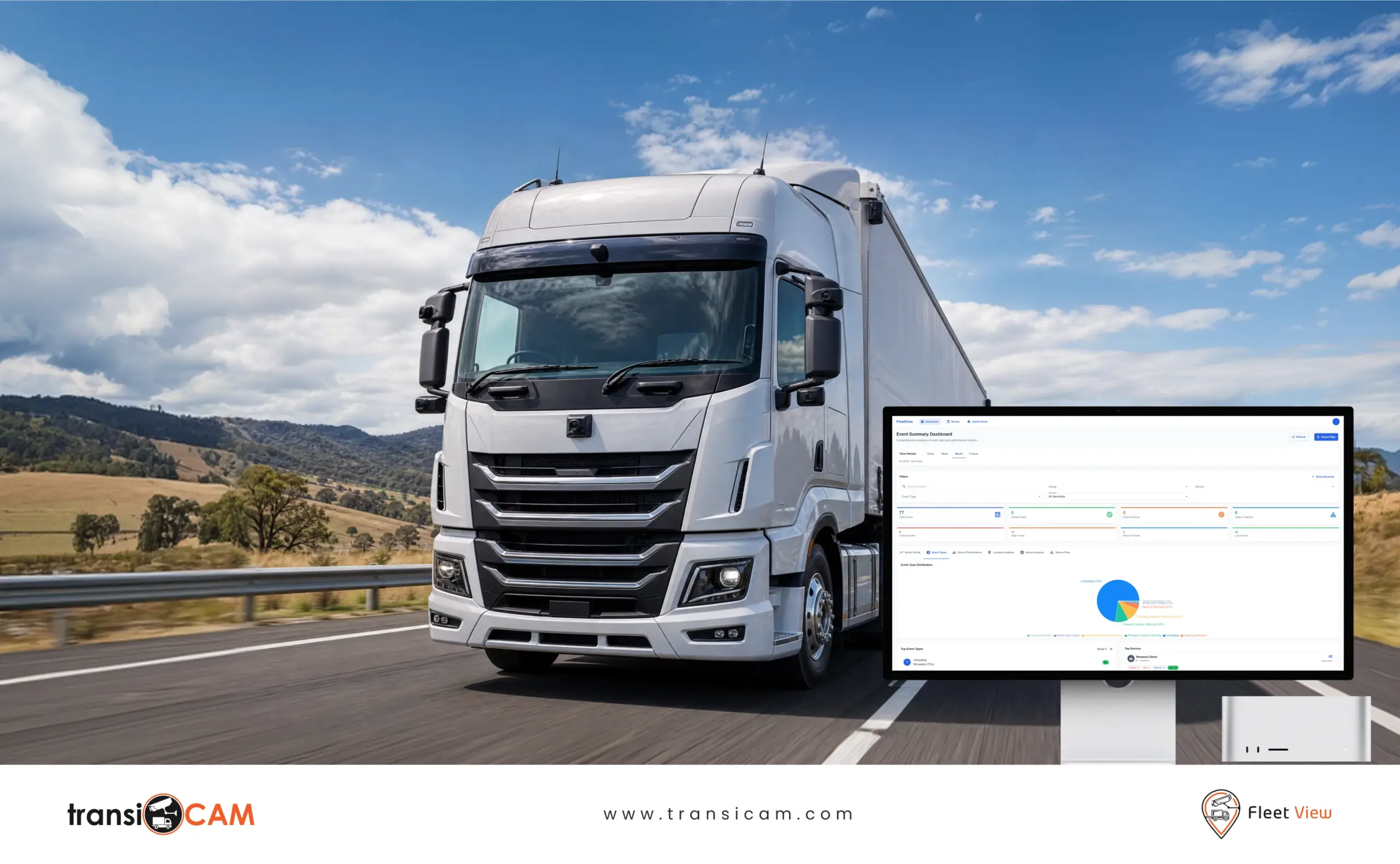
When a fleet incident occurs, GPS data can show where a vehicle was located. A driver report can explain what someone remembers. However, neither necessarily reveals the complete sequence of events.
Video telematics adds the missing perspective.
By combining vehicle cameras, connected software and operational data, video telematics gives fleet operators greater visibility into what happens on the road, inside the vehicle and around valuable assets.
For Australian businesses managing trucks, buses, council vehicles, service fleets or specialist equipment, the technology can support safer operations, more informed investigations and stronger evidence when disputes arise.
What Is Video Telematics?
Video telematics combines vehicle-mounted cameras with fleet technology that captures, stores and manages video alongside operational information.
Depending on the system, this information may include vehicle location, event timestamps, driver alerts, trip data and safety-related activity.
Rather than treating footage as a disconnected recording, video telematics connects visual evidence to the broader context surrounding an event.
For example, if a truck is involved in a collision, a video telematics platform may help an authorised fleet manager review:
- Road-facing footage from before, during and after the incident.
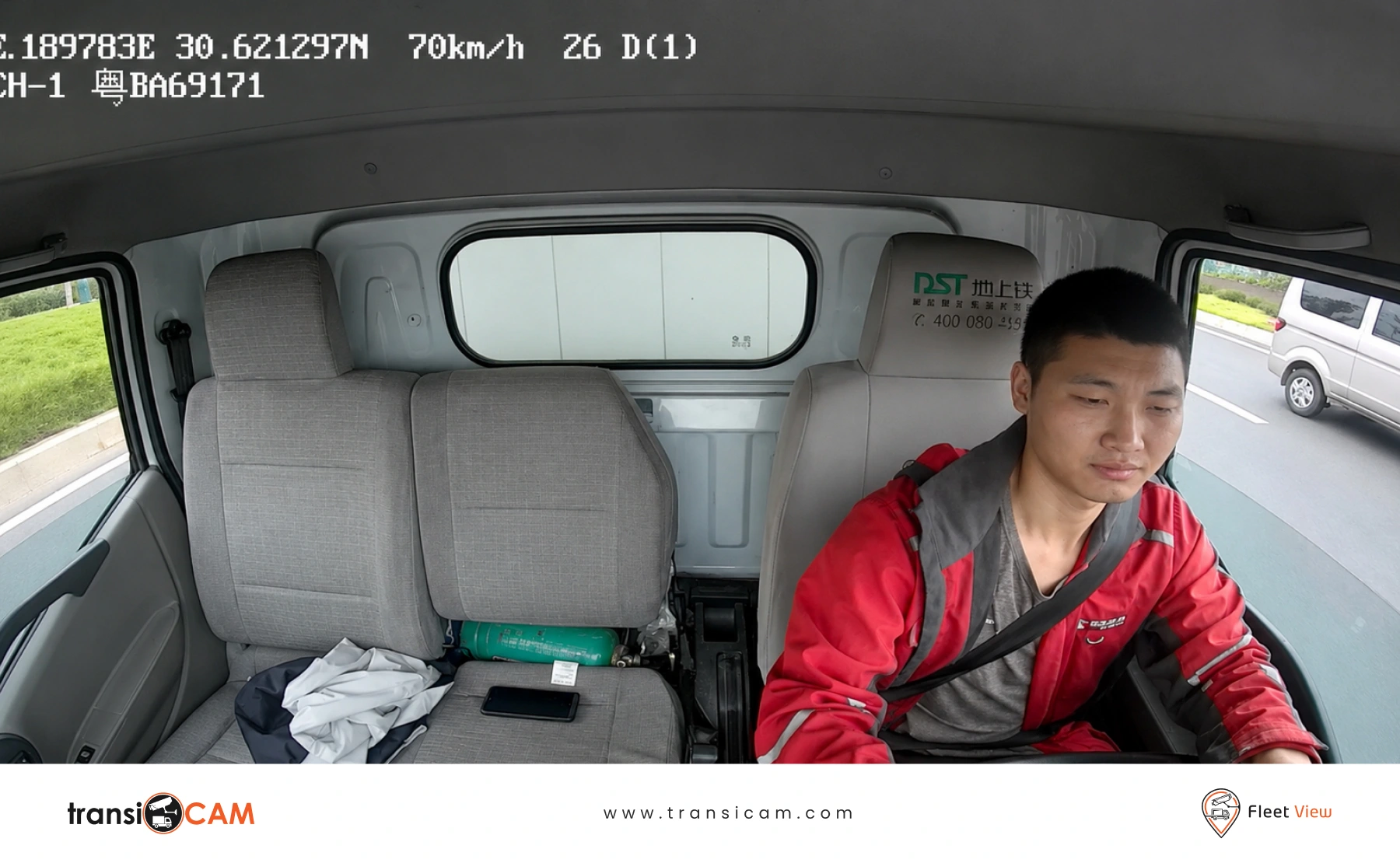
- Driver-facing video, where installed and appropriately configured.
- The vehicle’s location and trip information.
- Alerts associated with the event.
- Additional camera angles covering the sides, rear or load area.
Together, these details can provide a clearer understanding of what occurred and support a more informed operational response.
How Does Video Telematics Work?
Although configurations differ between fleets, most systems involve four connected elements.
1. Cameras Capture Vehicle Activity
Cameras are installed in positions relevant to the vehicle and operating environment.
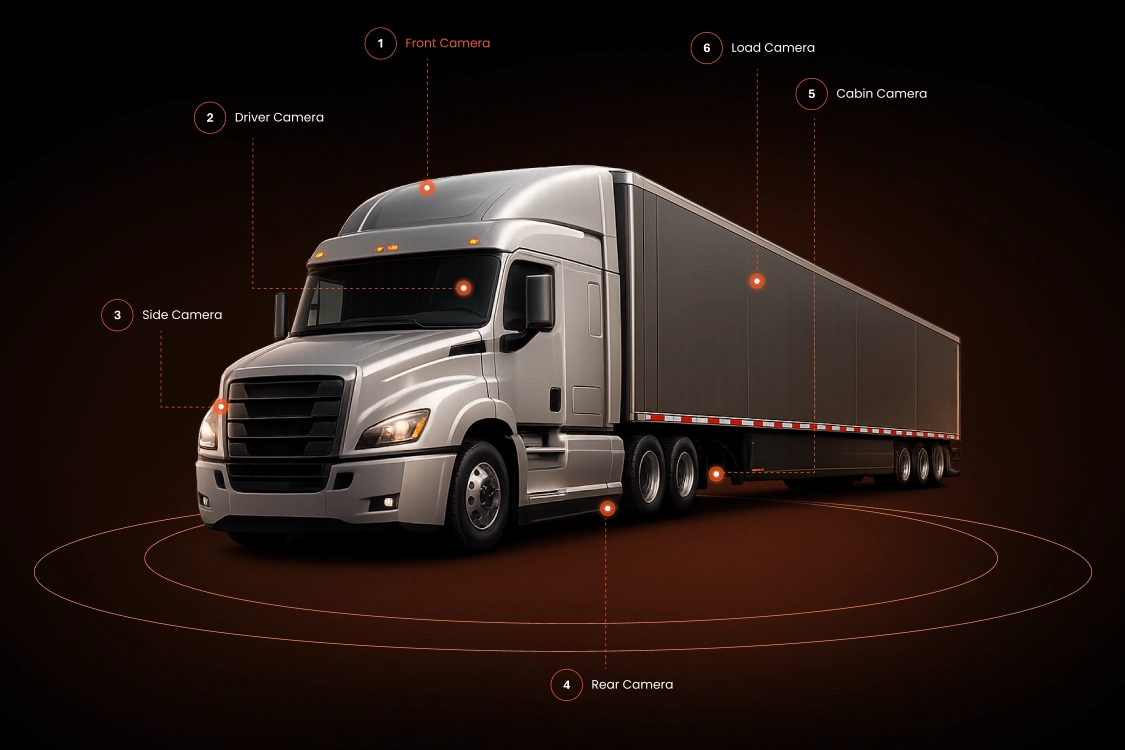
Common options include:
- Forward-facing road cameras.
- Driver-monitoring cameras.
- Rear and reversing cameras.
- Side and blind-spot cameras.
- Passenger cabin cameras.
- Load and cargo-area cameras.
A delivery van may only need forward-facing coverage, while a passenger bus or mining vehicle may require multiple internal and external cameras.
2. Recording Hardware Manages Footage
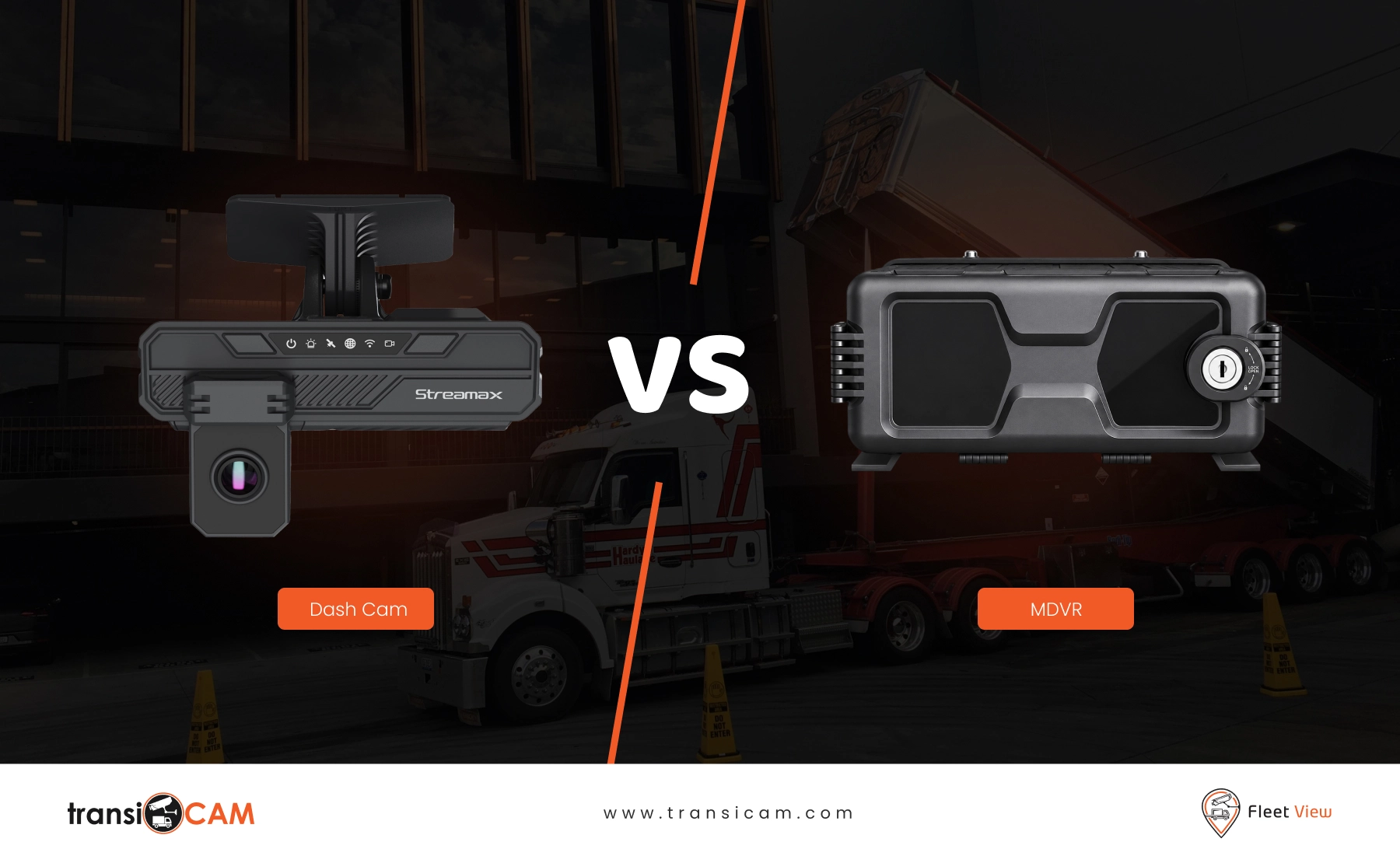
Some vehicles use connected dash cameras. Others rely on mobile digital video recorders, commonly called MDVRs, to manage several cameras simultaneously.
An MDVR-based system can support more complex visibility requirements, including multiple viewing angles and specialist camera placements.
3. Software Connects Video With Fleet Information
The platform provides authorised users with access to relevant footage and associated event information.
Depending on the deployment, users may be able to review recorded footage, view live video, locate events and export clips for further investigation.
4. Fleet Teams Use Evidence to Make Decisions
The value of video telematics comes from how footage is used.
Fleet managers, safety teams and operations staff can use available evidence to investigate incidents, support driver coaching, respond to complaints and identify operational risks.
Why Australian Fleets Are Investing in Video Telematics
Australian fleet operations are diverse. A metropolitan courier fleet faces different risks from an interstate freight operator, regional council or remote mining contractor.
However, these organisations often share a common challenge: limited visibility when an incident happens away from the depot.
Video telematics can help address several practical concerns.
Clearer Incident Investigations
A collision, near miss or customer complaint can be difficult to assess when different parties provide conflicting accounts.
Video footage offers additional context that may clarify what happened before a decision is made.
Better Driver Protection
Professional drivers can face allegations that do not reflect the actual circumstances of an incident.
Road-facing and vehicle-mounted cameras may help demonstrate when a driver acted appropriately or when another road user contributed to an event.
More Informed Safety Conversations
Driver coaching is more useful when it is based on evidence rather than assumptions.
When supported by appropriate policies and suitable camera configurations, video can help managers review genuine risks and recognise positive driving behaviour.
Improved Visibility Across Dispersed Fleets
For organisations operating across multiple locations, centralised video access can give authorised teams a more consistent view of incidents involving vehicles and assets.
Stronger Support for Claims and Complaints
Footage can help businesses respond to insurer enquiries, customer disputes, delivery concerns and internal investigations with more relevant information.
Video Telematics Is More Than a Dash Cam
A basic dash cam typically records footage to a local device. Retrieving the video may require physical access to the vehicle or storage card.
Video telematics extends the concept by connecting footage to a structured platform and, where supported, linking it with wider fleet information.
A more capable system may provide:
- Remote access to recorded footage.
- Event-based video review.
- Multiple camera angles.
- Searchable vehicle and incident records.
- Clip creation and evidence downloads.
- Driver safety alerts.
- Integration with existing fleet technology.
- Configurable access permissions.
The right configuration depends on what the organisation needs to see, investigate and manage.
Which Industries Benefit From Video Telematics?
Video telematics can support many operating environments across Australia.
Transport and Logistics
Freight operators may use cameras to investigate road incidents, assess delivery disputes, monitor load areas and support driver safety programmes.
Passenger Transport
Bus and coach operators can benefit from visibility across passenger cabins, entry points, external blind spots and road-facing views.
Government and Council Fleets
Public sector vehicles often operate in community-facing environments where footage can help support staff protection, incident review and operational accountability.
Construction and Mining
Heavy vehicles, plant and specialist assets can operate in environments with restricted visibility, moving machinery and elevated operational risk.
Multi-camera systems may help teams assess incidents and review high-risk interactions.
Utilities and Field Services
Dispersed workforces can use connected vehicle video to improve operational visibility and support investigations involving mobile teams.
What Should You Look for in a Video Telematics Platform?
Before selecting a system, consider the operational problem you are trying to solve.
Useful questions include:
- Which camera angles are genuinely needed?
- How quickly does your team need access to footage?
- Will the system support different vehicle types?
- Can authorised users locate and export relevant evidence?
- Is the platform suitable for everyday operational users?
- Can it integrate with existing fleet technology?
- How are access permissions and footage retention managed?
- Is deployment and support available for your operating environment?
A successful implementation should reflect the actual needs of drivers, safety teams and fleet managers.
How FleetView Supports Australian Fleet Operations
FleetView by transiCAM brings connected camera footage, incident review and fleet visibility together in a practical platform.
Solutions can be configured for different operating requirements, from a single road-facing camera through to multi-camera MDVR systems supporting complex vehicles and specialist assets.
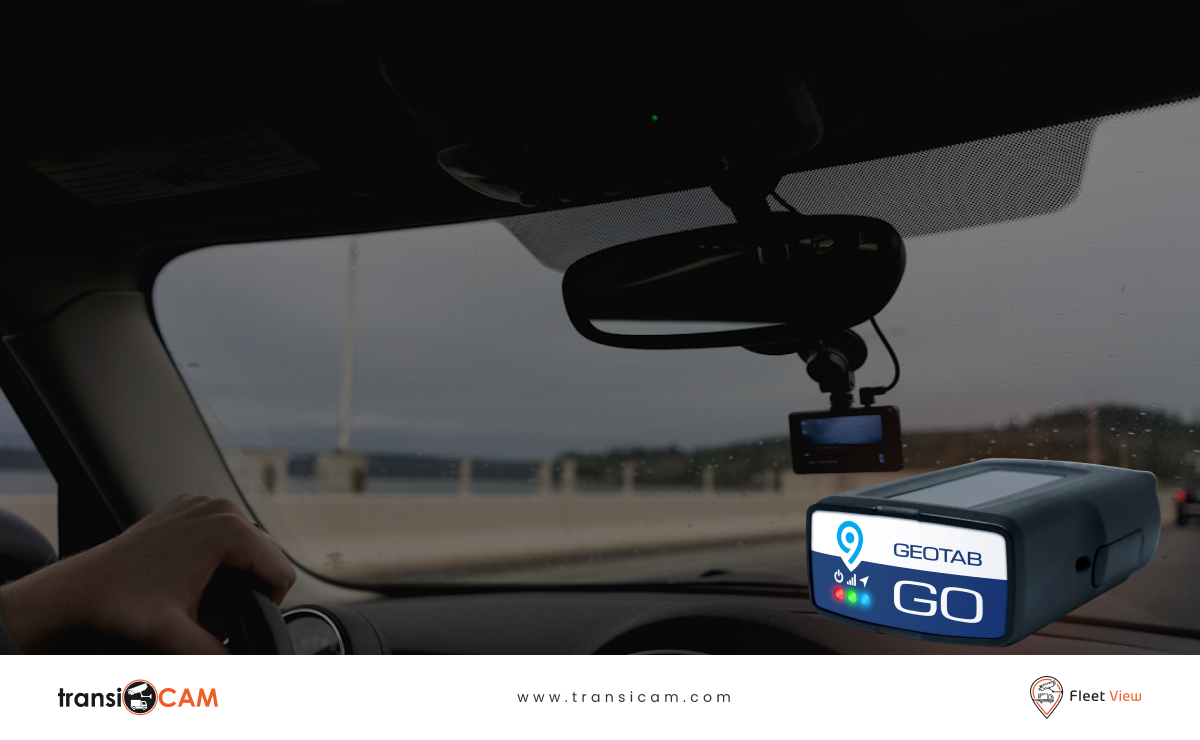
FleetView can also operate as a standalone solution or alongside Geotab fleet technology, helping organisations connect visual evidence with broader fleet information.
The objective is straightforward: give authorised teams access to the information they need when an event requires investigation.
Frequently Asked Questions
Is Video Telematics Suitable for Small Fleets?
Yes. Smaller fleets can benefit from practical camera configurations that support incident review and driver protection without requiring the same setup as a large enterprise fleet.
Can Video Telematics Help With Insurance Claims?
Video footage can provide additional information for insurers and internal teams reviewing an incident. Outcomes depend on the circumstances of the event and the quality of the available evidence.
Does Every Vehicle Need Multiple Cameras?
No. Camera requirements should reflect the vehicle type, operational environment and visibility needed. Some vehicles may only require one camera, while others benefit from broader coverage.
Can Video Telematics Integrate With Existing Fleet Software?
Some platforms can integrate with existing fleet management systems. FleetView, for example, can support organisations using Geotab.
Is Video Telematics Only for Trucks?
No. Video telematics can be used across delivery vans, buses, council vehicles, service fleets, heavy machinery and other specialist assets.
Explore Video Telematics for Your Fleet
The right video telematics solution should do more than record footage. It should help your team understand incidents, protect drivers and respond with greater confidence.
Book a FleetView demonstration to explore a camera and video telematics configuration suited to your vehicles and operating environment.